
Podcast 017 | Sangiovese - Italy's Red King of Grapes

Sangiovese grape
Buongiorno! Ciao! I'm back with a new episode from the world of Chianti Classico. So glad you're joining me again for "A Glass of Wine with Nina in Chianti." By the way, I'm Nina, and I love Chianti Classico, and today I want to take you on another journey into my Chianti Classico world. In this episode, I want to dive into the most important ingredient of Chianti Classico: the Sangiovese grape. After all, every Chianti Classico has to have at least 80 percent Sangiovese, and more and more winemakers are choosing to make their Chianti Classico only from Sangiovese grapes, meaning they don't add any other varieties. So, Sangiovese is super important for Chianti Classico. When you talk about Chianti Classico, you're talking about Sangiovese wines. But what exactly is Sangiovese? Where does this grape come from, what makes it special, and how and where does it grow?
The Chianti Classico for this Episode
Before I kick things off, as always, my glass of wine for today comes into play, because, following the podcast's title, "A Glass of Wine with Nina in Chianti," I've got a glass of wine right here with me. Today, I'm enjoying the Chianti Classico 2018 from Le Cinciole winery in Panzano in Chianti. This wine is a perfect fit for this episode because Valeria and Luca from Le Cinciole have been making this wine from 100 percent Sangiovese for many, many years, and they've also been committed to organic farming since the early 90s.
„The wine smells wonderfully of cherries and sour cherries, dark berries, a hint of spices, and you can even find a bit of citrus. When you taste it, it's just as fruity and spicy as it smells, and it's really easy to drink. You'll have a lot of fun with it. Fine tannins, delicate acidity – everything a good, typical Chianti Classico should have.„
THE Sangiovese
Now, a quick note about something personal. The correct way to say it is "DER Sangiovese," meaning it's a masculine noun. But for some reason, I often tend to say "DIE Sangiovese" (the feminine article). I'll try my best to say "der Sangiovese" throughout this episode, but it might happen that I slip back into my old habit. So, I just wanted to apologize for that in advance.
What is Sangiovese?
The Sangiovese grape is a red wine variety. Legend has it that the name Sangiovese comes from "Sanguis Jovis," which roughly translates to "Blood of Jupiter." But there are other theories too. Some say it comes from "Sangiovannese" because it's from San Giovanni Valdarno. Others trace it back to dialect forms of "San Giovannina," an early grape planted in late June for the Feast of St. John the Devil due to its early budding. While others claim it comes from "Sanguegiovese" or "Sangue di Giove." The first solid info about the grape comes from the 16th century, when Giovan Vettorio Soderini mentioned in his treatise "Coltivazione toscana delle viti e d’alcuni alberi" that "Sangiocheto or Sangioveto is a remarkable vine for its consistent productivity." Cosimo Trinci also discussed the characteristics of the Sangiovese grape in his writings from 1738. Modern genetics show that Sangiovese likely originated in Southern Italy, somewhere between Campania and Calabria. Apparently, it's a cross between the Ciliegiolo and Calabrese Montenuovo grapes. But recent research has shown different origins for Sangiovese. So, it's not entirely clear where Sangiovese actually comes from.
Two Big Groups – Or More?
Back in 1906, Sangiovese was broadly divided into two groups: Sangiovese Grosso and Sangiovese Piccolo. Sangiovese Grosso included Brunello di Montalcino, Prugnolo Gentile (which is used for Vino Nobile di Montepulciano), and Sangiovese di Lamole from Greve in Chianti. Sangiovese Piccolo covered other areas of Tuscany and other parts of Italy. Sangiovese Grosso was considered the better quality. Today, people are convinced that this classification was way too simple. You'll find a huge variety of clones in the vineyards. A clone is kind of like a mutation of a grape variety. This diversity of clones in the vineyards led to significant efforts in clone research, including the Chianti Classico 2000 project, which I'll come back to later. Today, there are 130 approved Sangiovese clones in Italy.
How Can You Spot Sangiovese?
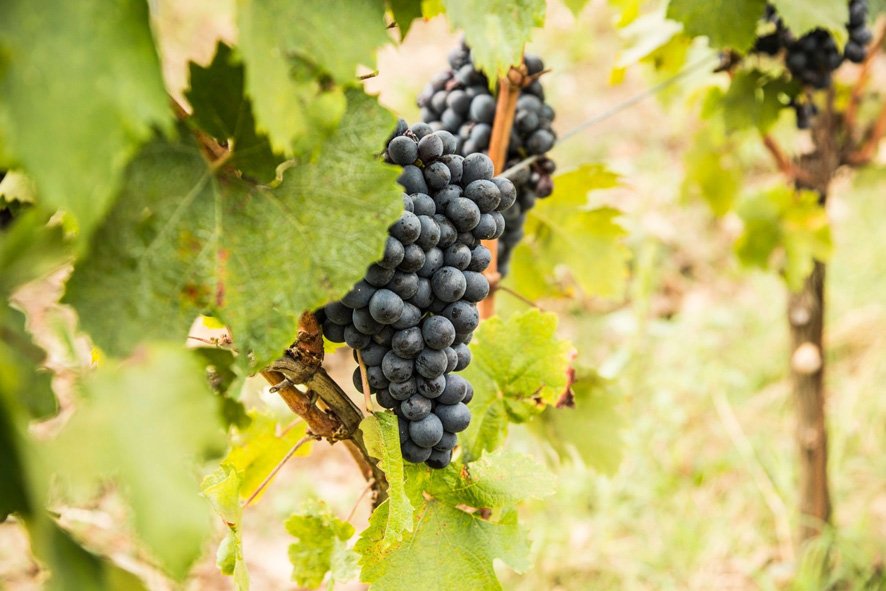
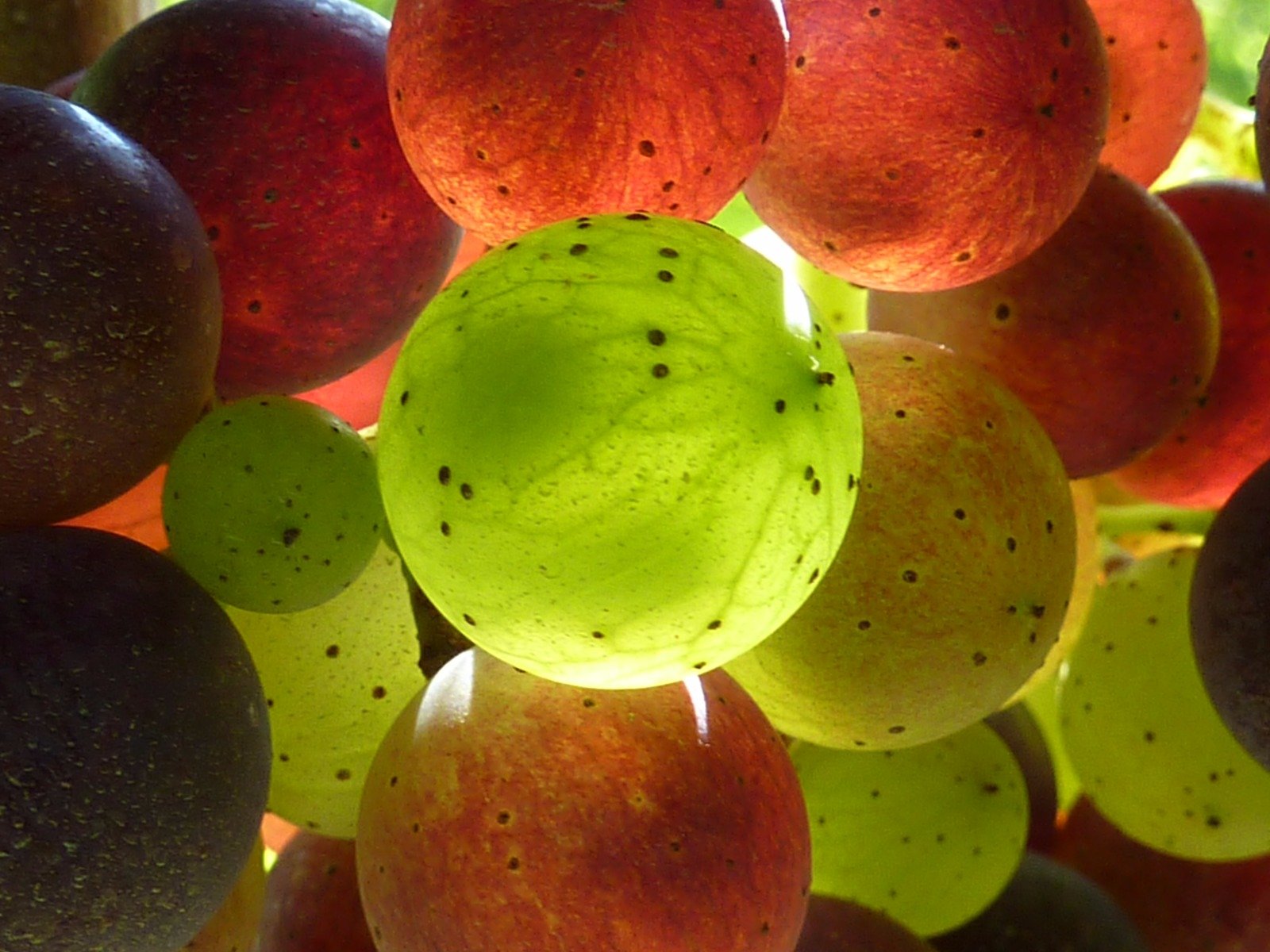
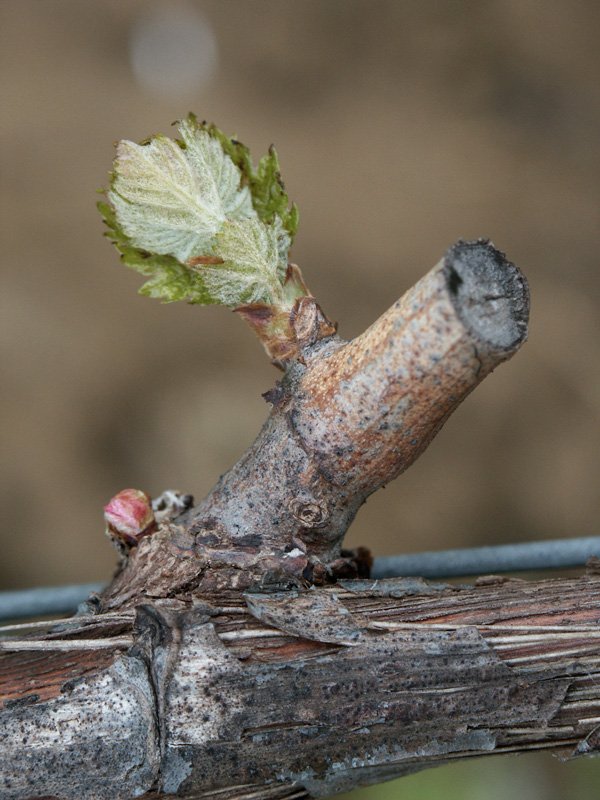
So, what does a Sangiovese vine look like in the vineyard? How can you recognize it? Of course, it depends on what time of year you're in the vineyard. In spring, the shoot tips look really woolly; they're whitish-green with a slight reddish tint. Later on, the young leaves are light green and slightly bronzed. Generally, the leaves are medium-sized, five-lobed, and turn dark green in the summer. The grape bunch itself is medium-sized, cylindrical to pyramid-shaped, and has "shoulders" (meaning it branches out at the top). The berries are usually medium-sized, round, relatively thick-skinned, and a black-blue color.
Where Can You Find Sangiovese?
With over 70,000 hectares planted, Sangiovese is Italy's most widely grown grape variety. Sangiovese is generally famous for the wines of Tuscany, but you can actually find this grape all over Central and Southern Italy, even in Piedmont and on French Corsica. There, Sangiovese is called Nielluccio, and not just in Corsica, but also in other places outside Italy. However, the largest area where Sangiovese is grown is Tuscany, and it's responsible for Tuscany's famous wines, each with different percentages. For example, you'll find Sangiovese in Chianti Classico, Chianti, Brunello di Montalcino, Vino Nobile di Montepulciano, Morellino di Scansano, Carmignano, and, of course, in many so-called "SuperTuscans." But also in wines from Umbria, like Montefalco and Torgiano, or in Marche, where they're called Rosso Piceno and Rosso Conero. And, of course, in many wines from Emilia Romagna, Lazio, and Campania. You can also find Sangiovese internationally, as I mentioned, because Italian emigrants didn't just take their pizza recipes around the world; they often took Sangiovese vines too. So, you'll find Sangiovese in Greece, Malta, Switzerland, Turkey, Hungary, and I even know of a few vines in Austria. Outside of Europe, there are Sangiovese vineyards in Argentina, Australia, Brazil, Chile, Canada, New Zealand, the USA, Israel, and a few other places. However, these growing areas outside Italy are very small and less significant. Italy's more successful export product was definitely pizza!
Other Names – But Always Sangiovese
There are an incredible number of other names for Sangiovese; I've already mentioned a few, like Sangiovese Grosso, Prugnolo Gentile, Brunello di Montalcino, Morellino, Montepulciano, Sangiovese di Lamole, Sangiovese Romagna, Sangiovese Elba, Sangiovese Gentile, Sangiovese Toscano, Sangioveto, and so on. You can find over 112 entries on Wikipedia.
What Makes Sangiovese Special in General?
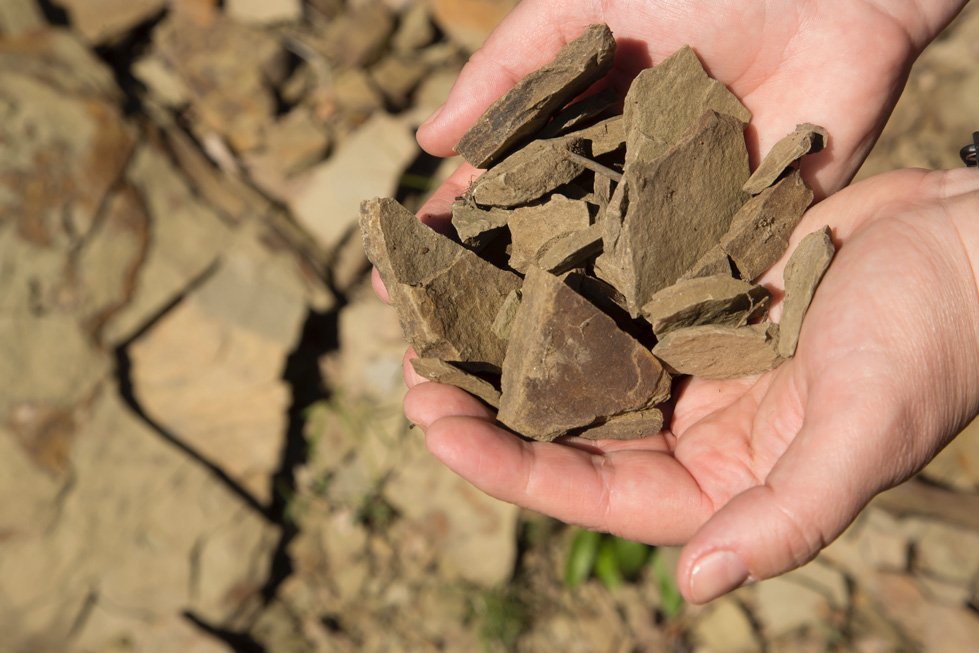
What makes it so special? Basically, it's a very sensitive variety that produces wildly different characteristics and qualities depending on where it's grown. On fertile, water-rich soils, it's super productive in quantity, but with rather modest quality. But the great Sangiovese-based wines come from poor, stony hillside locations. But even that often isn't enough for top quality, because Sangiovese is a very difficult, I like to call it a "fussy" grape variety. Many say that the Sangiovese grape behaves like a woman. Only when Sangiovese is treated well does it show its best results. Totally like the motto "Happy wife, happy life." Maybe that's why I tend to say "DIE Sangiovese"?
Personally, I like to say that Sangiovese wines strongly reflect the character and philosophy of the winemakers, but without distorting or changing too much, always with a certain backbone and pride. Of course, the terroir has a significant influence on a wine's character, and I want to get into that a bit later.
Important characteristics of a Sangiovese wine are that they're usually lighter in color. I'd like to call it ruby red. The wines are known for their distinct acidity and generally robust tannins. Sangiovese wines are generally fruity, easy-drinking wines that make perfect food companions. Some have more aging potential, others less. This, of course, depends on various factors like how they're handled in the vineyard and cellar, the vintage, and naturally, the big influence of the terroir.
Sangiovese, a Sensitive Soul
Sangiovese is tough to cultivate because it likes to behave very differently. It needs perfect conditions for top results: not too hot, not too dry, balanced summers, and a nice, long autumn. Yeah, who wouldn't want that for themselves too? This grape variety is one of those that flowers quite early and ripens rather late, meaning it has a relatively long growing season overall. Just 20 years ago, early to mid-October was considered the perfect harvest time for Sangiovese, but climate change is shifting things, and in recent years, harvesting often started as early as mid-September, and overall, the wines are also showing higher alcohol levels. Sangiovese is very sensitive, prone to fungal diseases, also susceptible to grey mold, and nowadays, we're seeing more and more reactions to drought and heat.
What is Terroir?
Simply put, terroir is all about the natural stuff that affects grapevines. We're talking about things like the soil, the climate, the tiny local climate, how the vineyard faces, and how steep the slope is. You could also call it the 'personality of the region.' Humans can't create that; it's all thanks to nature. But it takes human skill to really bring that regional personality out in the wine. Lots of different things contribute to this, like often a nearby forest. Forests usually have a super positive effect on grapevines because they cool things down on hot summer days (that forest air really helps!) and create a more balanced climate overall. But that's just one of many examples of how much the whole environment impacts the vines.













It's All About the Right DNA
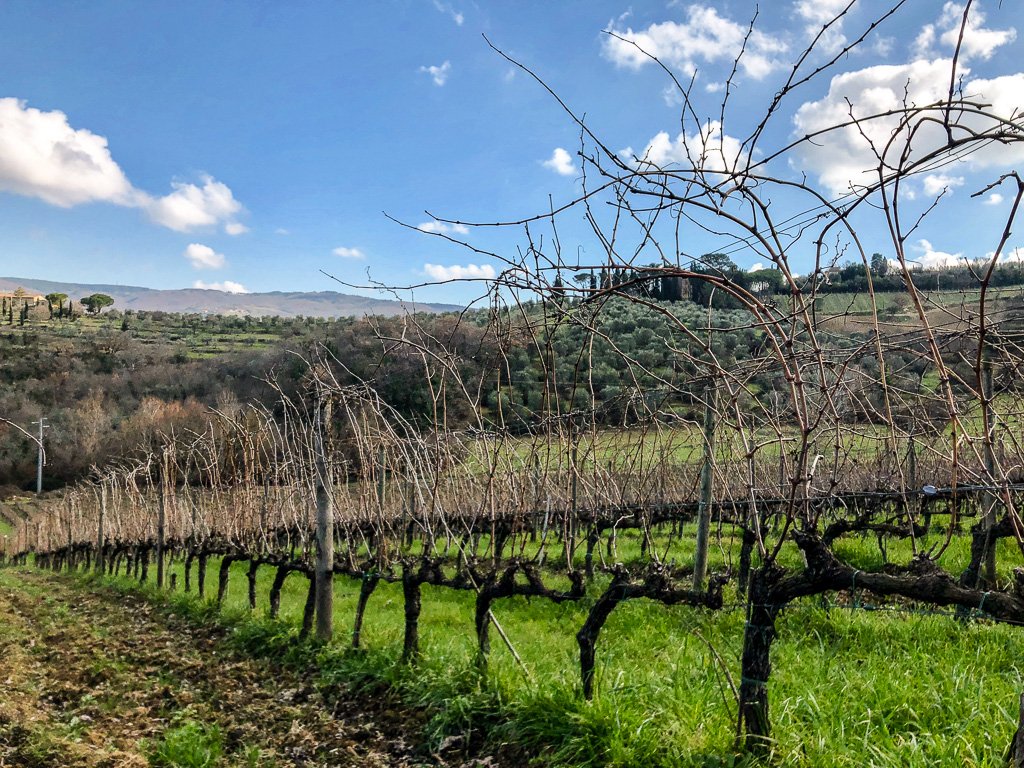
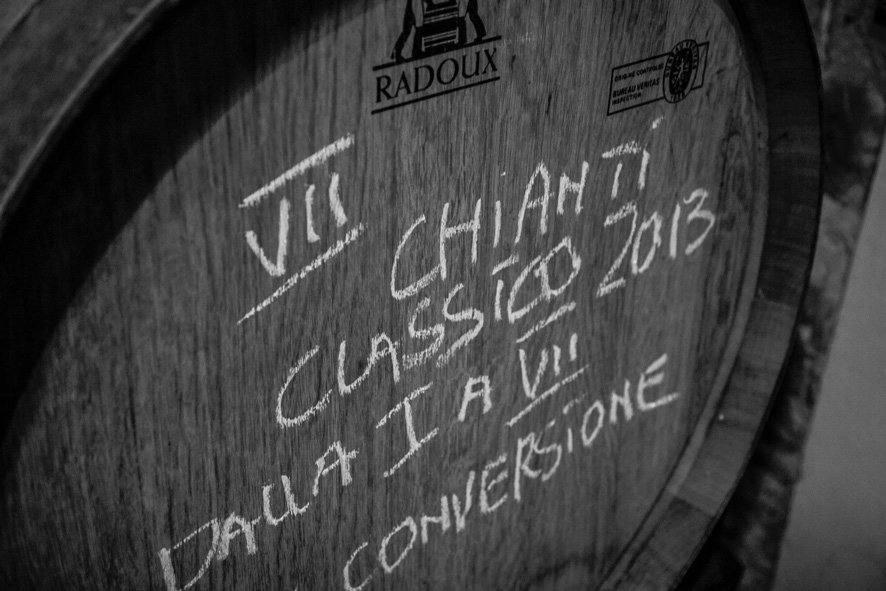
From what I've told you, you can probably guess that making the best Sangiovese isn't exactly a walk in the park. Lots of things and situations contribute to great quality. And as we've already learned, it literally all starts in the vineyard. Like I've explained in previous episodes, you can't just plant Sangiovese in the Chianti Classico region and then call the wine Chianti Classico. To get that name on the bottle, you need vineyards that are officially classified. The main organization for the appellation, the Consorzio Chianti Classico, keeps a very close eye on where the grapes for Chianti Classico come from. Because the Consorzio is so focused on quality, they launched a huge research project back in the 70s and 80s, called Project Chianti Classico 2000. They found over 200 clones – basically, these are sub-types of Sangiovese – in the Chianti Classico vineyards. The goal of the research was to find the very best clones, meaning those with the top DNA, and figure out which soils they liked best for producing amazing quality, plus which rootstocks worked best with each clone.
In the end, the project recommended nine clones for winemakers in Chianti Classico. And now, about 20 years later, you're seeing more and more of these recommended clones in Chianti's vineyards. You can really taste the difference in quality, and it's showing up in more and more bottles and glasses for wine lovers.







Sangiovese is So Much More Than Just Chianti Classico
So, to sum it up: Sangiovese wine totally reflects everything that happens in the vineyard and the cellar.
Andreas März, Editor of Merum Magazine
This quote, sadly, isn't mine, but from the wine journalist Andreas März, editor of Merum magazine, whom I really look up to. And I totally agree with him! So, Chianti Classico is Sangiovese, at least 80 percent, which means you could say Sangiovese is Chianti Classico, but Sangiovese is so, so, so, so much more! The best way to see this for yourself is to try different Sangiovese wines from various regions and winemakers, even though my heart truly belongs to Chianti Classico. As I mentioned, you're seeing more and more Chianti Classico wines on shelves that are made purely from Sangiovese. Honestly, that was pretty hard to imagine back in the day. Today, I see it as a kind of love letter to this amazing grape variety. Oh, and in German, Sangiovese is a masculine word!
More Great Names Next Time
I hope I've helped you get to know the important Sangiovese grape a little better, and maybe now you're keen to try some different Sangiovese wines! Speaking of trying! You'll find the link to today's wine in my shownotes, of course. On my online shop, NinainChianti.com, you can find loads of info about this wine and many others, and you can totally order it there too. Next time, I'm planning to dive into other classic grape varieties from Chianti and Tuscany. We'll be talking about cool names like Canaiolo, Colorino, Mammolo, Malvasia nera, and tons more. If you have any questions about Chianti Classico before then, please feel free to ask me – just use the link in the shownotes. I really hope I've managed to bring you into my Chianti Classico world, because that's my passion, my mission, at least that's how it feels to me. So, Ciao for now, see you next time! A presto!
Find out more about this episode and Nina in Chianti
🗝️ Learn more about Sangiovese - Click here
🍷 Wine for this episode - 2018 Le Cinciole Chianti Classico DOCG
😀 Nina in Chianti? - find out all about Nina
❓ Got a question for Nina in Chianti? - Feel free to ask it here
🧐 Curious and want to learn more? Chianti Classico knowledge, Tuscany on your plate, insights, events, and much more
🛒 Buy Chianti Classico online quickly and easily and get free shipping to Germany or Austria, low shipping costs across Europe
🇮🇹 VIP? Sign up for my 3-minute Tuscany-feeling newsletter right away and get regular Chianti Classico Moments by email
Follow Nina in Chianti on LinkedIn
Follow Nina in Chianti on Instagram
Postproduction - Christina from Phoenix Podcasts: christina@phoenix-podcasts.de