
Chianti Classico: From Green Harvest to Green Care…
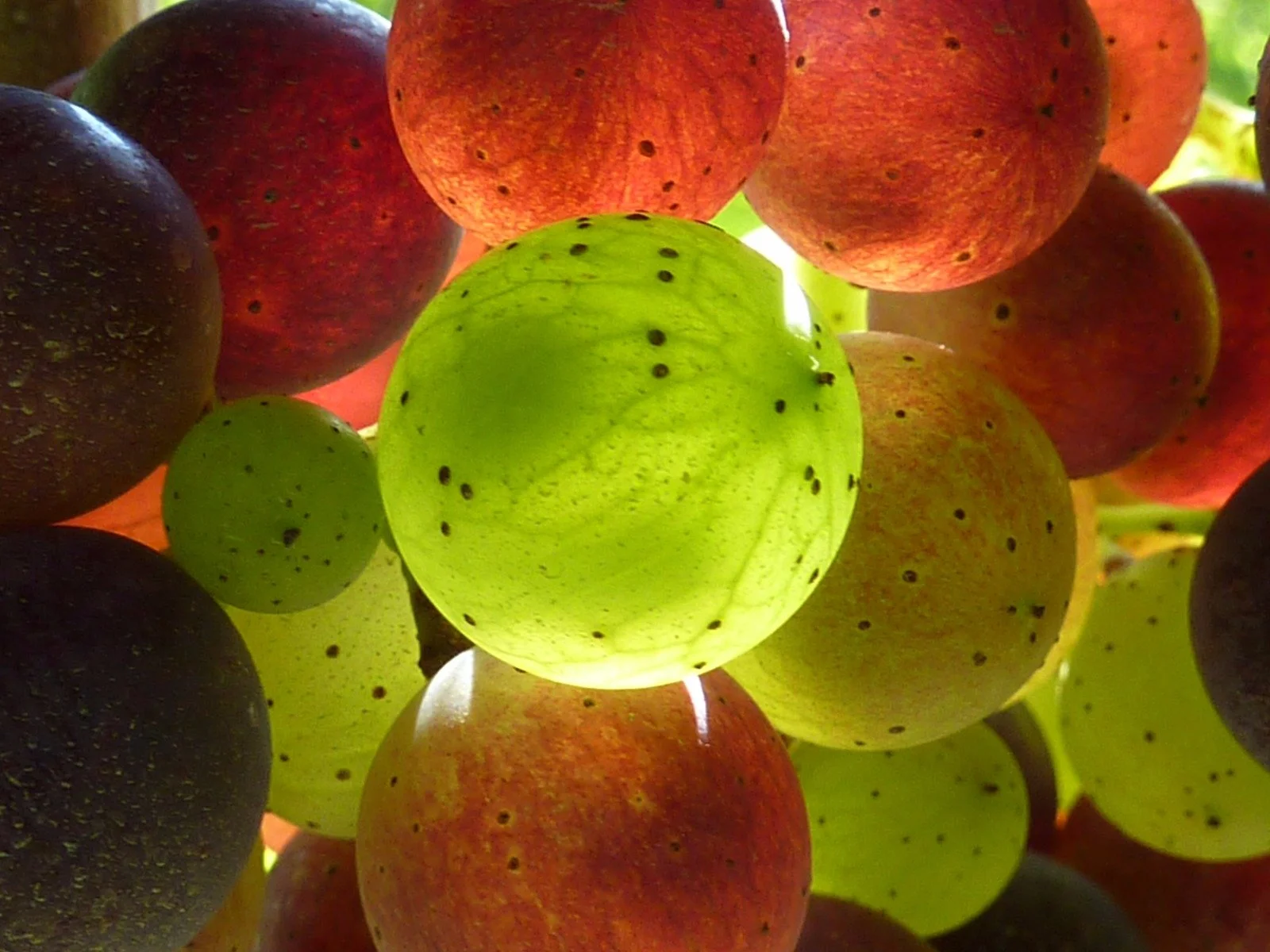
Sangiovese
If you think winemakers just kick back in summer, sip a glass of Chianti Classico, and watch the grapes ripen, you're totally mistaken! Because there's tons to do in the vineyard, even during the summer months. Lots and lots of little tasks are handled by many, many busy hands. One of these activities is called "green harvest" or "green picking." Though nowadays – at least in Chianti Classico – we don't really talk about green harvest anymore, but rather "green care."
What is green harvest?
But let's start – as always – from the beginning: During what's called green harvest, winemakers remove green – meaning unripe – grapes from the vine. The idea behind it is actually super simple: If a vine has too many grapes, it has to split its energy among all those many, many grapes for ripening. But if you remove the "extra" grapes, the vine can focus its energy on perfectly ripening the best ones.
What does this wonderful word "hectare yield restriction" mean? It's simple: To make sure the grapes are top quality, it's been decided that only a certain amount of grapes can be harvested per hectare. This amount changes depending on the region, municipality, or growing area – but generally, in quality winemaking, you expect one to one and a half kilos of grapes per vine. For Chianti Classico, there's a limit of a maximum of 7,500 kilos of grapes per hectare. That's also why green harvest was used. However, winemakers hardly ever reach this maximum yield today, but as mentioned, it was originally meant to improve the quality of the wines.
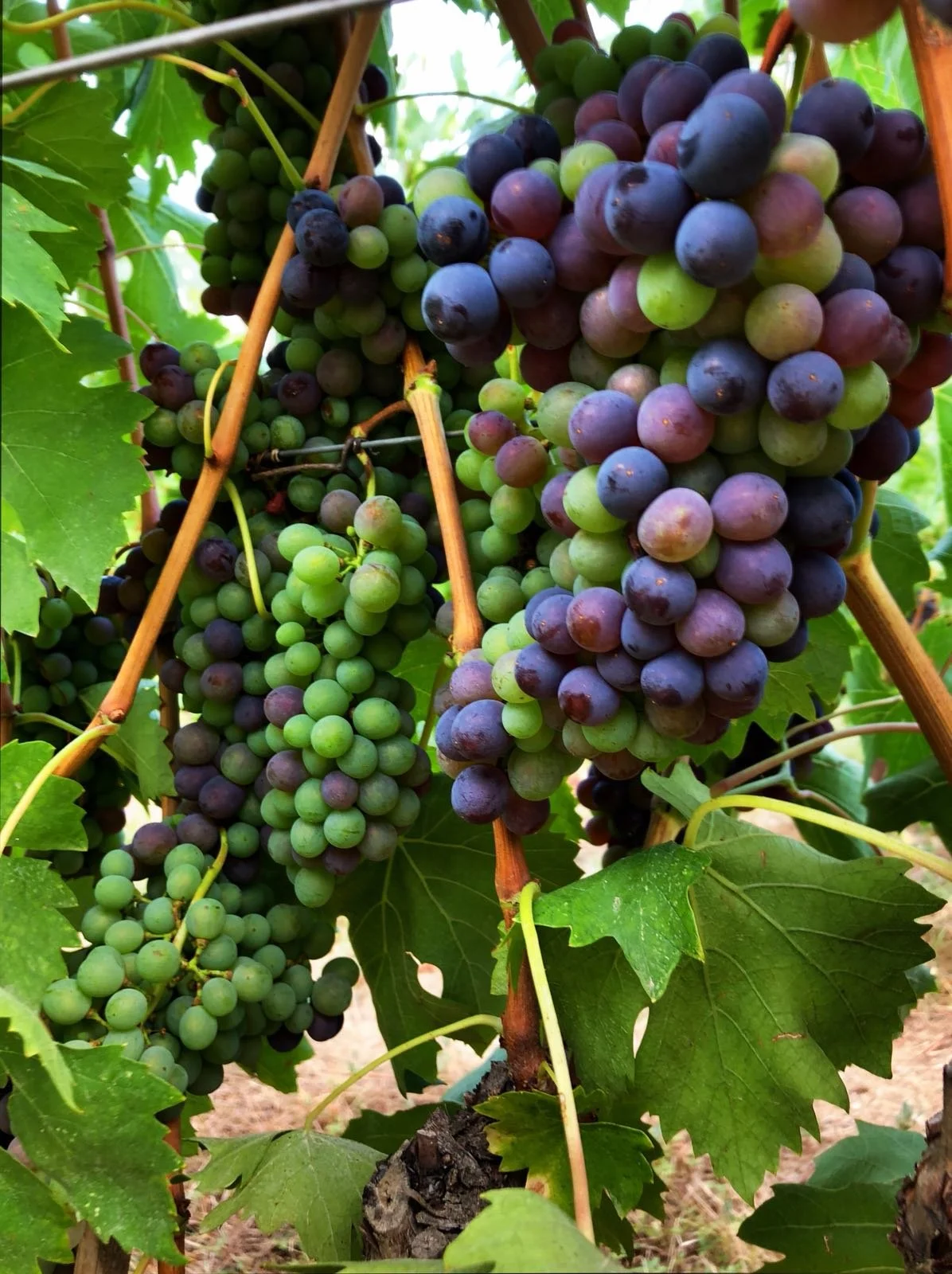
Green Harvest
Why green harvest isn't like it used to be.
Back in the day, during green harvest, they didn't just thin out the grapes, but also removed leaves in the area where the grapes grow – what's called the "grape zone." The idea was to give the grapes even more sun to boost their sugar production. However, climate changes in recent years have led to a rethink: Since summers are getting hotter each year and the sun is becoming more aggressive and intense, people have increasingly stopped removing leaves in the grape zone in recent years. Because these leaves provide protection and shade for the grapes, which helps slow down sugar production in them. Fun fact: At the Wine Research Center of the Geisenheim University, temperatures of up to 80 degrees Celsius were measured in dark berries exposed to sunlight! So, the shading leaves make sure the sugar content of the grapes doesn't get too high. Sugar, as you know, gets turned into alcohol during fermentation. And to put it simply: the higher the sugar content of the grapes, the higher the alcohol content of the finished wines. And that's also a problem, because wines with up to 15.5% alcohol content are generally less popular. Plus, if the grapes get too warm during ripening, people say the wines develop "jammy flavors." And you want to avoid that too. Because the European palate prefers fresh and clear wines.
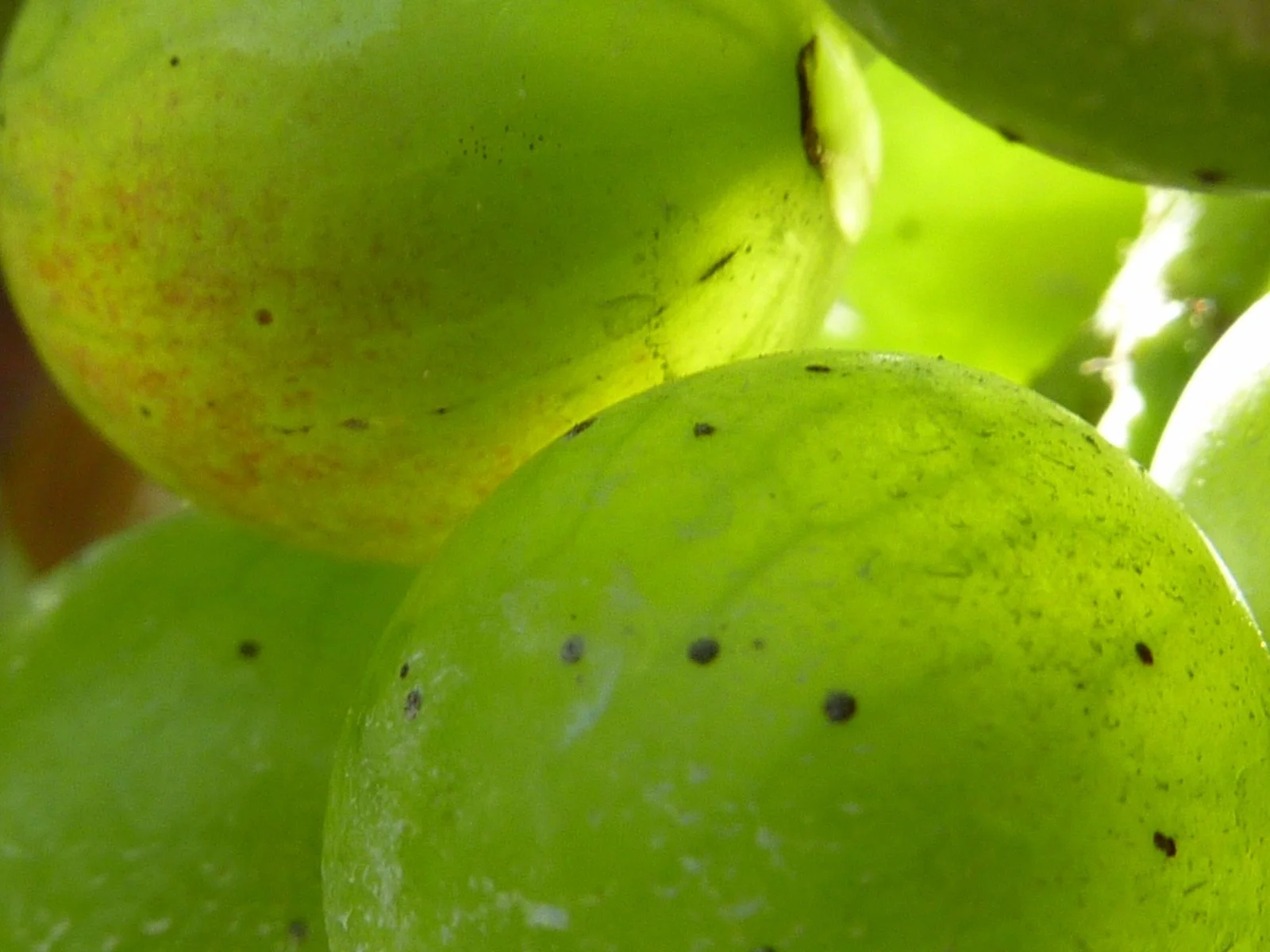
Green Care
Green Care: Row by row, vine by vine, grape by grape…
That's exactly why winemakers today tend to be quite careful with green harvesting – both when it comes to the leaves and the grapes. Also, green harvesting isn't done at the end of July or early August anymore, like it was a few years ago. Instead, they take their time, pushing it closer and closer to the actual harvest. Even right before the harvest, they'll still remove a few grapes. Of course, winemakers now walk through the vineyards, checking if any grapes are tangled in the trellises, if there are tiny grapes on shoots that won't produce anything, or if grape clusters are too loose, which could make them prone to diseases later on. Winemakers and their well-trained helpers clean all of this up by hand – vine by vine and grape by grape. Of course, there are factors they can't control, like the weather, which naturally has a big impact on how the vines grow, when to harvest, and so on. By the way, if you happen to stroll through a vineyard now, don't be alarmed if you see grapes on the ground. These are just the grapes that were cut off during the green care process.