
Fontodi
Panzano in Chianti
-
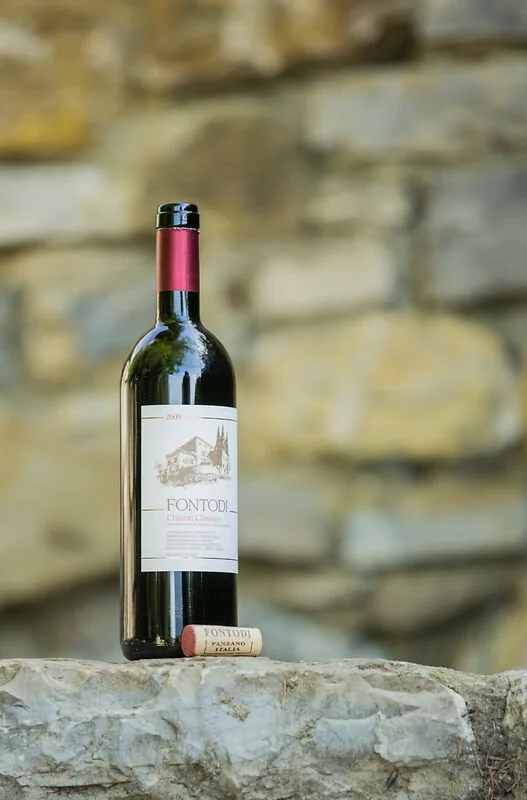
![Fontodi Chianti Classico DOCG]()
Fontodi Chianti Classico DOCG
On the palate, this Chianti Classico from Panzano's Conca d'Oro is full-bodied and structured, with fine tannins and lively acidity. It has a long, harmonious finish, with hints of dark chocolate and tobacco.
-
![Fontodi Filetta di Lamole Chianti Classico DOCG]()
Fontodi Filetta di Lamole Chianti Classico DOCG
In the glass, this Chianti Classico from the high altitudes of Lamole shows complex aromas of red berries and cherries. On the palate, it's harmonious with soft tannins and refreshing acidity.
-
![Fontodi Vigna del Sorbo Chianti Classico Gran Selezione DOCG]()
Fontodi Vigna del Sorbo Chianti Classico Gran Selezione DOCG
It has an intense ruby red color and complex aromas of ripe red fruits, spices, and tobacco on the nose. On the palate, it's full-bodied and structured, with fine tannins and a long, elegant finish.
-
![Fontodi Terrazze di San Leolino Chianti Classico Gran Selezione DOCG]()
Fontodi Terrazze di San Leolino Chianti Classico Gran Selezione DOCG
From the terraced limestone vineyards below San Leolino. It offers typical aromas of red fruits and spices. On the palate, you'll find a perfect balance of ripe tannins and lively acidity. Pure elegance!
-
![Fontodi Flaccianello della Pieve Colli Toscana Centrale IGT]()
Fontodi Flaccianello della Pieve Colli Toscana Centrale IGT
The Flaccianello della Pieve is one of the very first Super Tuscans (made purely from Sangiovese). It's a symbol of the highest quality and the most beautiful characteristics of Sangiovese from the Conca d'Oro.
-
![Fontodi Syrah Case Via Colli della Toscana Centrale IGT]()
Fontodi Syrah Case Via Colli della Toscana Centrale IGT
A powerful and refined Syrah from Panzano in Chianti's Conca d'Oro. On the nose, you'll find aromas of dark berries, pepper, and herbs. On the palate, it impresses with velvety tannins and an elegant structure.
-
![Fontodi Meriggio Colli Toscana Centrale IGT]()
Fontodi Meriggio Colli Toscana Centrale IGT
An elegant Sauvignon Blanc white wine with a brilliant straw yellow color. It offers aromas of citrus fruits, tropical fruits, and floral notes. A refreshing and versatile wine perfect for many occasions.
-
![Fontodi Olio Extra Vergine di Oliva]()
Fontodi Olio Extra Vergine di Oliva
So typical of Tuscany! It has a fruity taste with slightly bitter and spicy notes. This special balance of fruitiness, bitterness, and spice gives Fontodi's olive oil its unique and unmistakable flavor.


Fontodi - A Flagship in Chianti Classico
Fontodi can truly be called one of the flagships of Chianti Classico. This is especially true given the size of the winery: over 220 hectares of land, with more than 100 hectares of vineyards, and a production of over 400,000 bottles of wine per year – these numbers really speak for themselves! And every single bottle of wine truly delivers: offering top quality, excellent taste, and an unwavering love for wine.
Prime Locations in Conca d'Oro
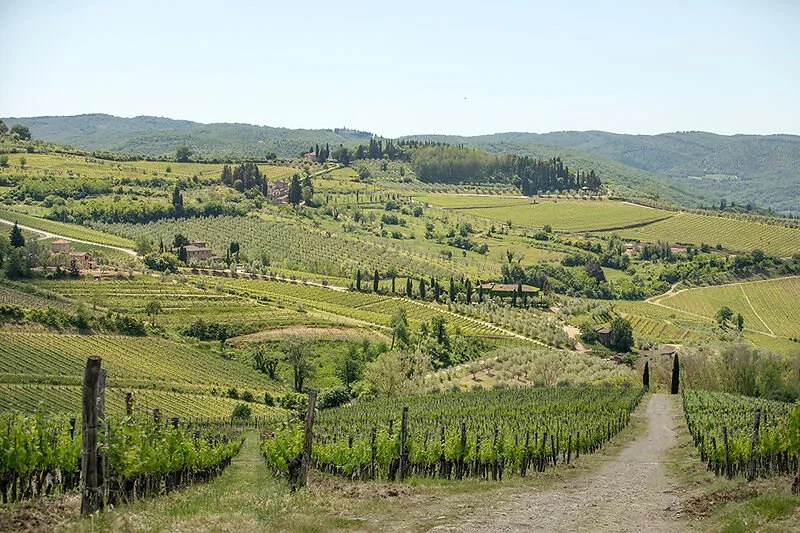
In 1968, the Manetti family – famous for their terracotta production – acquired Tenuta Fontodi. They were actually just looking for a country house, and "by chance" 20 hectares of vineyards came with it! But very soon, the Manettis recognized the potential of the Conca d'Oro – the golden valley of Panzano in Chianti. Marco Manetti and his brother Giovanni started rebuilding the wine production. After experimenting with various grape varieties, the brothers decided to plant most of their vineyards with the native Sangiovese grape. This laid the foundation for an extraordinary success story.
Flaccianello della Pieve
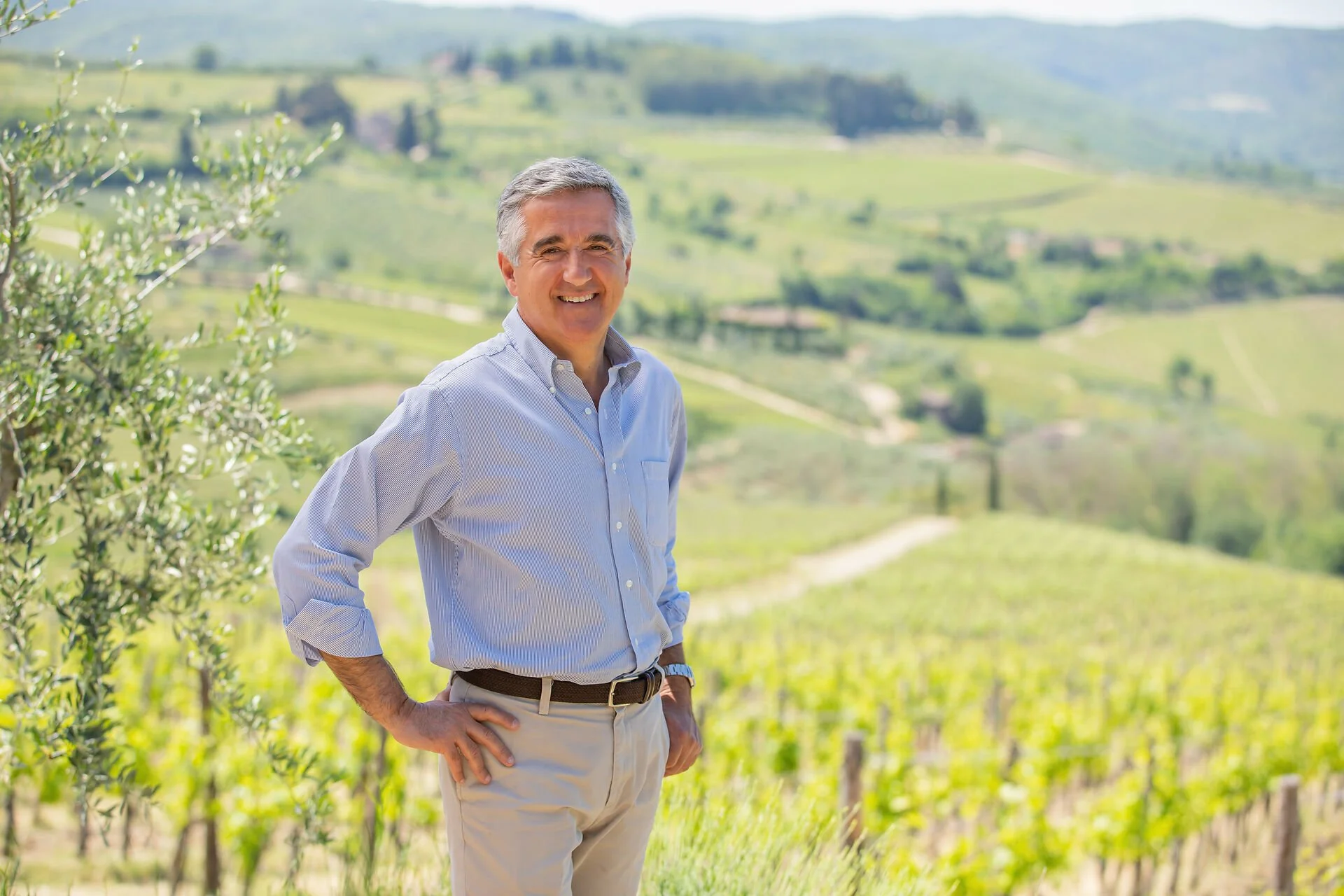
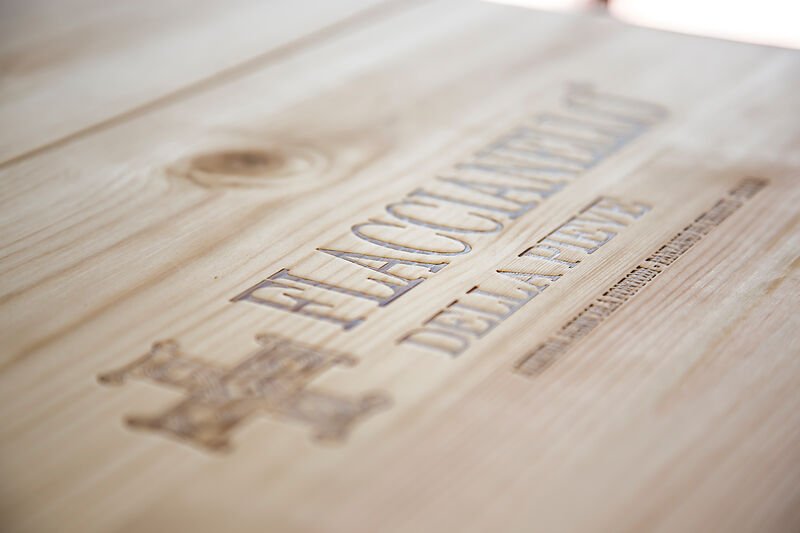
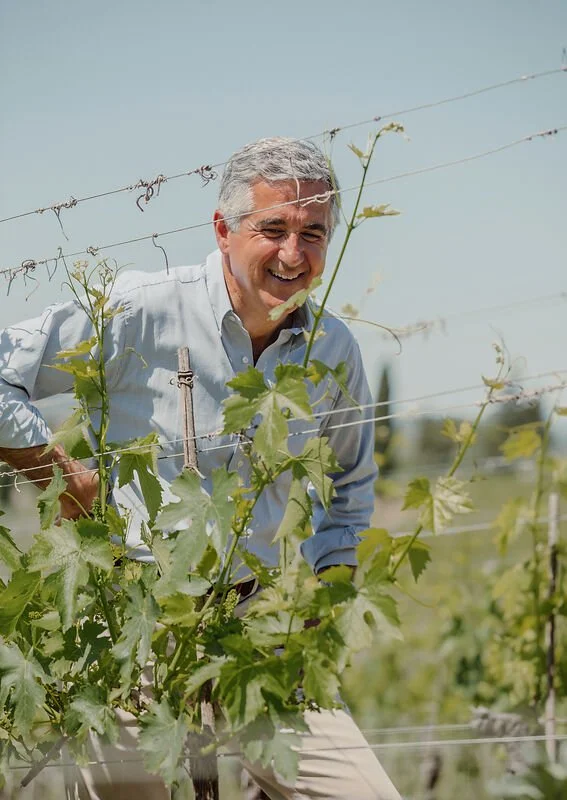
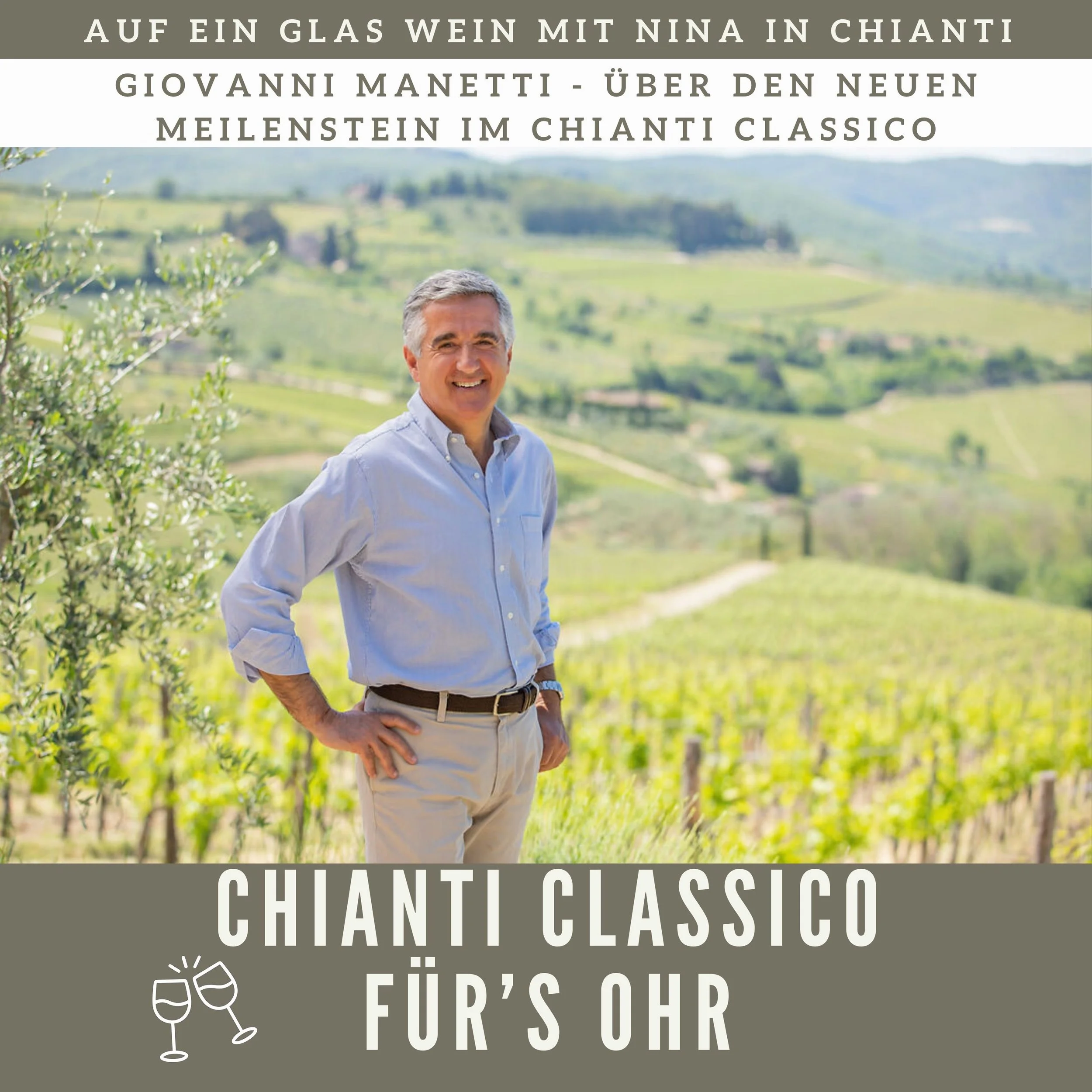
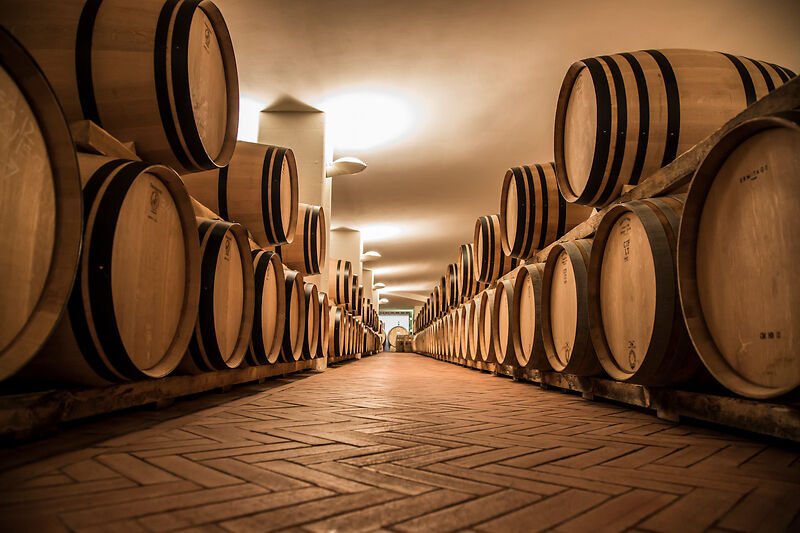
Today, Giovanni Manetti runs Fontodi all by himself. When Giovanni took over the winery in the early 1980s, he was really impressed by the meteoric rise of Antinori's Tignanello, the very first Super Tuscan. In response to this wine and other Super Tuscans, Giovanni, working with oenologist Franco Bernabei (who, by the way, still works for Fontodi today!), developed the Flaccianello della Pieve Colli Toscana Centrale IGT for the first time with the 1981 vintage. It's a red wine made from 100 percent Sangiovese, but vinified using new, modern methods and – quite unusually for the time – aged in barriques.
Giovanni Manetti
Today, just like back then, the Flaccianello gets outstanding reviews for its special taste, and the famous American wine magazine "WineSpectator" has named it one of the world's Top 10 wines multiple times. So, Giovanni Manetti can definitely be considered one of those pioneers who helped the Sangiovese grape achieve its current status in Chianti Classico. By the way: Giovanni Manetti himself embodies the essence of Italian taste, perfectly styled as he strolls through vineyards and cellars, making sure everything is just right.


Sangiovese & Co.
Fontodi has several 100% Sangiovese wines in its range. There's the Flaccianello, their star performer, and the Chianti Classico, which is their main volume wine and could be called the Flaccianello's little brother. Since the 2012 vintage, the Vigna del Sorbo has also been made purely from Sangiovese grapes from a single vineyard. The Filetto di Lamole is a relatively new addition to their selection. Another red wine from Fontodi is the Syrah Case Via, which really expresses the terroir of Panzano in Chianti. One of the rare white wines from the area is the Meriggio – 100% Sauvignon Blanc. The Terrazze di San Leolino, also a pure Sangiovese, is the newest member of Fontodi's Sangiovese family.
Panzano in Chianti
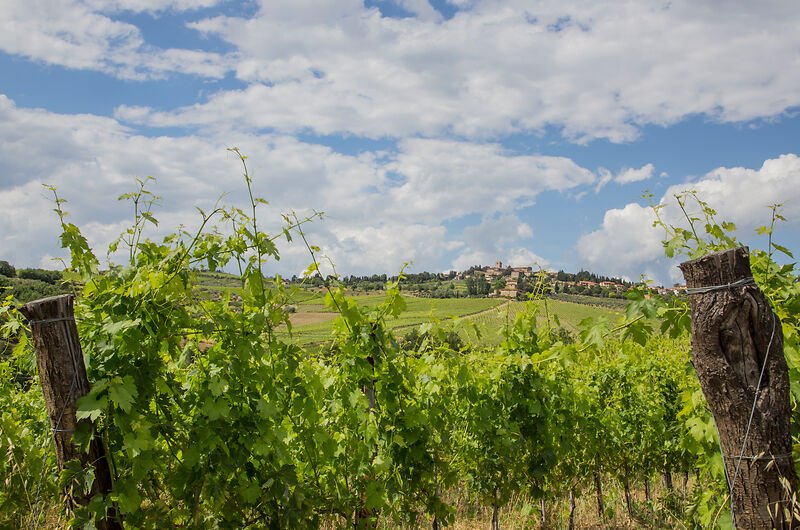
Fontodi stopped using pesticides early on. Today, the winery is a certified organic farm, with many internationally awarded wines. The key, as often, is the terroir – meaning the specific plots and climate where the grapevines grow and the grapes ripen. Fontodi's vineyards are located in the Conca d`Oro, the "golden shell," in Panzano in Chianti. Here, you'll find perfect conditions for the native Sangiovese grape. But even international grape varieties like Pinot Noir, Syrah, or Sauvignon Blanc thrive wonderfully in Fontodi's vineyards.
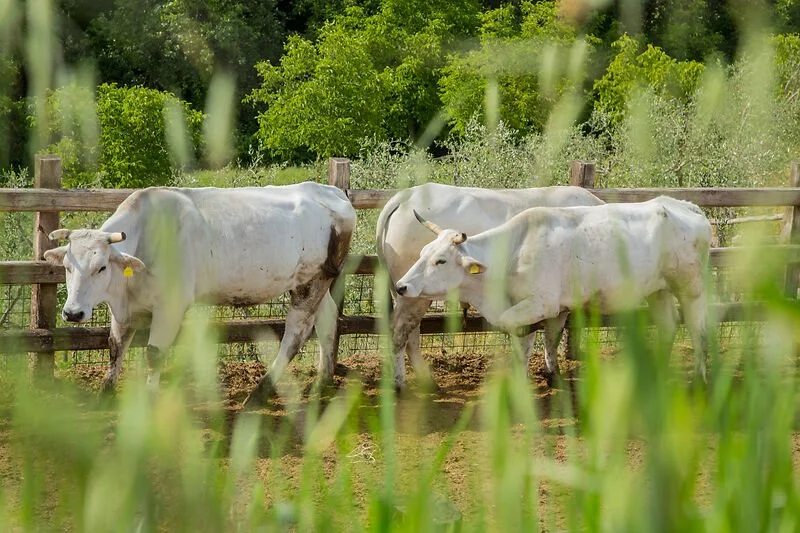
Chianina Cattle
The Chianina is an ancient cattle breed from Tuscany, famous for its size and muscular build. They're known for their white coats and amazing meat quality. Originally used as working animals, today they're mostly prized for producing high-quality meat, especially the famous Bistecca alla Fiorentina. Plus, at Fontodi, the Chianina cattle's manure is used as valuable fertilizer in farming, especially in the vineyards, helping to keep the soil healthy and fertile.