Olive Oil
-
![Casaloste Olio Extra Vergine di Oliva]()
Casaloste Olio Extra Vergine di Oliva
This olive oil really stands out with its fruity taste, a nice bitterness, and a spicy, peppery kick at the end. You'll also notice fresh grass, green tomatoes, and artichoke flavors.
-
![Fattoria di Rignana Olio Extra Vergine di Oliva]()
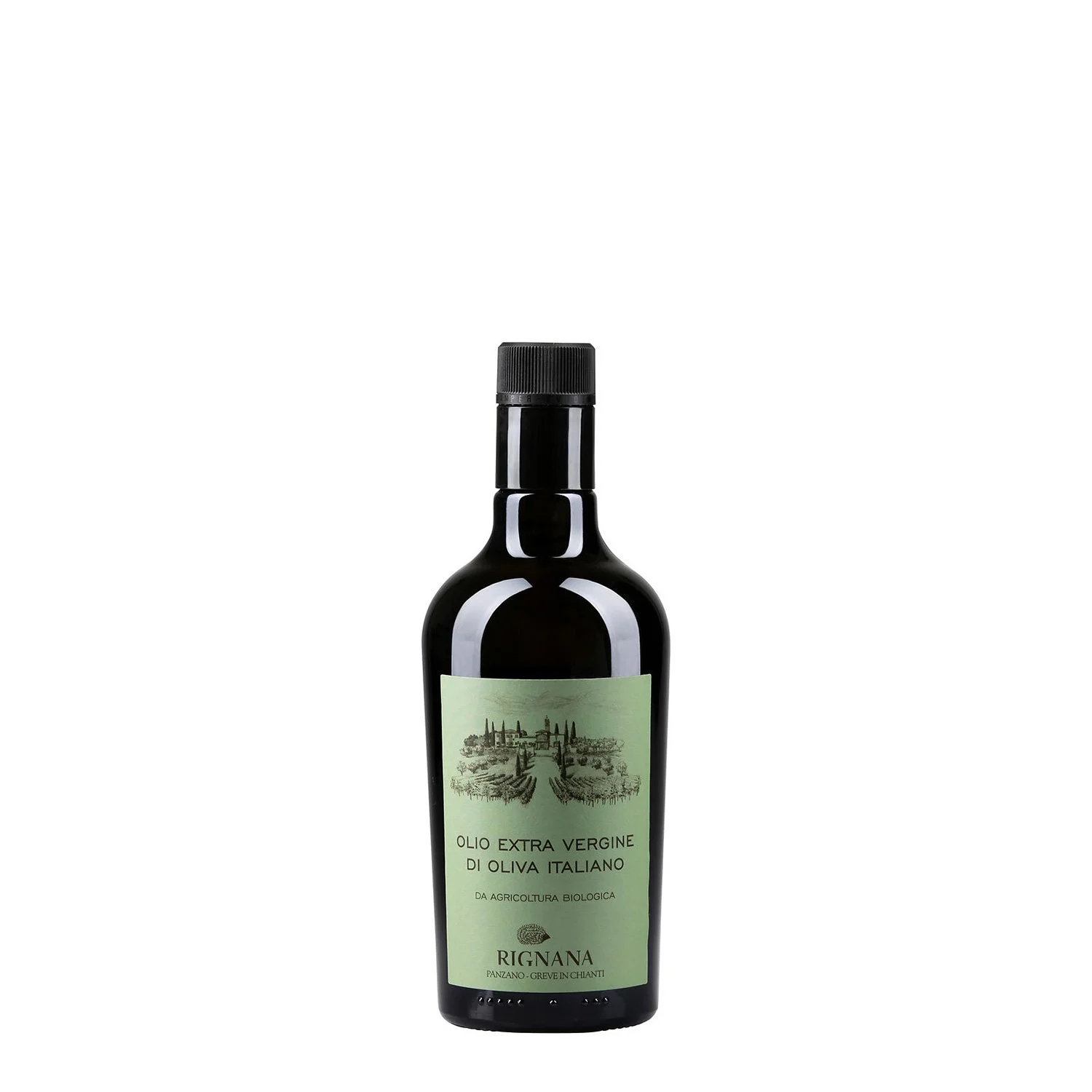
Fattoria di Rignana Olio Extra Vergine di Oliva
This olive oil has a really intense flavor. It's got a fresh fruitiness, with hints of green olives, fresh grass, and even artichokes. The taste is well-balanced, finishing with a spicy, slightly peppery note that gives it a pleasant kick.
-
![Fontodi Olio Extra Vergine di Oliva]()
Fontodi Olio Extra Vergine di Oliva
So typical of Tuscany! It has a fruity taste with slightly bitter and spicy notes. This special balance of fruitiness, bitterness, and spice gives Fontodi's olive oil its unique and unmistakable flavor.
-
![Gagliole Olio Extra Vergine di Oliva]()
Gagliole Olio Extra Vergine di Oliva
Think freshly cut grass, green tomatoes, artichokes, and green almonds – plus strong bitter notes and a kick like black pepper. It's top quality because the olives are hand-picked and processed in their own mill on the very same day.
-
![Il Palagio di Panzano Olio Extra Vergine di Oliva]()
Il Palagio di Panzano Olio Extra Vergine di Oliva
It smells intensely of olives and artichokes, with fruity hints of green banana and grapes. You'll find spicy pepper notes and a fruity taste, velvety smooth on your palate with a gentle spice.
-
![Le Cinciole Olio Extra Vergine di Oliva]()
Le Cinciole Olio Extra Vergine di Oliva
Le Cinciole's organic olive oil has a beautiful intense green-gold color and a delicate, fruity taste. Made from hand-picked olives, it brings a slight spiciness and fresh aromas – perfect for bread, burrata, or just to make your favorite dishes even better!
-
![Le Fonti Olio Extra Vergine di Oliva]()
Le Fonti Olio Extra Vergine di Oliva
It smells fruity and spicy, with hints of artichokes, green apple, grapefruit, green tomatoes, and black pepper. The taste starts off smooth, but then finishes with that classic spicy and robust kick.
-
![Dario Cecchini Olio Extra Vergine di Oliva]()
Dario Cecchini Olio Extra Vergine di Oliva
Dario Cecchini's liquid gold: an olive oil that's essential for any Tuscan kitchen, bringing that Mediterranean vibe right into your home. It's perfect for salads, pasta, grilled veggies, or just as a dip with fresh bread – this olive oil really elevates any dish.
-
![Monte Bernardi Olio Extra Vergine di Oliva]()
Monte Bernardi Olio Extra Vergine di Oliva
It has an aromatic scent of grass, artichoke, fruits like bananas and apples, plus green tomatoes. You'll also get a delicate peppery spice with a touch of vanilla. The taste is robust, spicy, and lively. So typical!
-
![Poggio al Sole Olio Extra Vergine di Oliva]()
Poggio al Sole Olio Extra Vergine di Oliva
This olive oil greets you with a slightly sweet, grassy aroma and hints of artichoke. The taste is mildly sweet, followed by a gentle bitterness. Notes of green almond and a subtle spiciness complete the profile.
-
![Rocca di Montegrossi Olio Extra Vergine di Oliva]()
Rocca di Montegrossi Olio Extra Vergine di Oliva
This olive oil smells of young artichokes, green apples, tomatoes, and green bananas. On the palate, it's velvety and smooth with a delicate, bittersweet note. The finish brings a spicy kick that really gives the oil depth and complexity.
-
![Tenuta degli Dei Foho Fiorentino]()
Tenuta degli Dei Foho Fiorentino
High-quality olive oil from Tenuta degli Dei is fermented with fresh habanero chilies, making a super spicy olive oil. It even comes in a handy spray bottle for perfect portioning!



Olive Oil is a Cultural Treasure
November marks the start of the traditional olive harvest in Chianti, just like across all of Tuscany and Central and Southern Italy. It's a really special time when the olive tree's bitter fruits are transformed into that precious green gold, which is absolutely essential in Italian cooking. The harvesting and pressing of olives are deeply rooted in the region's culture, offering a fascinating experience that truly shows how important and valuable this special oil is.

A Grand Old Tree with a Rich History
The olive tree isn't just any plant; it's a symbol of wealth and power all across the Mediterranean. With over 1,000 varieties in the Mediterranean region and about 80 just in Tuscany, these trees can grow super tall, up to 20 meters! Their silvery-grey leaves and smooth bark give the landscape a unique charm all year long. Olive trees live for ages, but you'll need a bit of patience, as they only start giving fruit after six or seven years.

The Big Freeze of 1985
The winter of 1985 brought a devastating cold spell of up to minus twenty degrees for the olive trees in Tuscany. This cold, coupled with the wetness of previous rainfall, destroyed many trees. It was initially assumed that eighteen million of the twenty million olive trees in Tuscany were partially or completely frozen to death. However, radical pruning allowed the trees, which were thought to be dead, to recover and begin to sprout again. Today, the olive groves in Chianti are thriving again and it feels like everyone has their own trees or even rents some to produce their own Olio di Oliva.

What the Olive Tree Needs
Olive trees are generally super tough, but they do need specific care to produce the best fruit. An annual prune in spring is essential because most of the fruit grows on new shoots. Every three to five years, they get a more intense trim. These trees love loose, well-aerated soil that prevents water from sitting around. A Mediterranean climate that's neither too hot nor too cold creates ideal growing conditions, and you'll find these exact conditions in Chianti. What's a bit unusual for olive trees, though, are the higher altitudes in Chianti Classico, as olive trees usually thrive in much lower areas. But hey, maybe that's exactly the secret to the outstanding quality of olive oils from Chianti Classico!

"All olive oils at Nina in Chianti are 'Verified by Nina'. This means that in my online shop, you'll only find olive oil whose top quality I'm absolutely convinced of."

Handwork and Patience
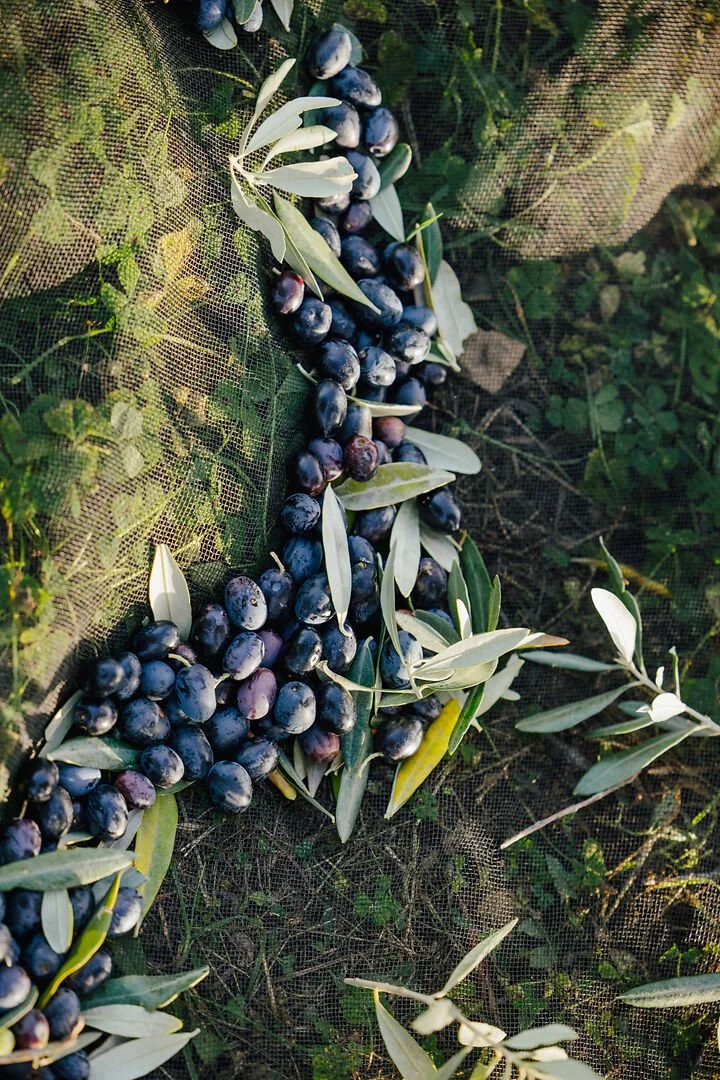
The manual olive harvest in Chianti, which traditionally runs from late October to early December, is a super labor-intensive and time-consuming process. Workers carefully strip the olives from the branches using special combs or rakes. Sometimes, an 'electric hand' is used, gently shaking the branches to loosen the fruit without harming the tree, which keeps the delicate olives perfectly intact. Large nets spread under the trees catch the falling fruit. After that, the olives are cleaned by hand to remove leaves and other bits. Then they're packed into sturdy crates and usually rushed to the oil mill on the very same day to ensure the best possible quality.

From Tree to Oil
Once at the oil mill, the olives get a super thorough cleaning to remove any leaves, twigs, or other bits. Then, the fruits, along with their pits, are ground into a thick, brownish-green paste. This paste is gently warmed to keep all those precious flavors and nutrients in the olive oil. Next, a centrifuge separates the solid bits, like skins and pits, from the liquid parts. This is where the oil-water mix gets separated from the solid olive mass. In another spin in the centrifuge, the oil is finally separated from the water, giving us pure olive oil in its most precious form.

A Precious Food
The final product, Olio Extra Vergine di Oliva, is the result of careful handwork and dedication. This green, grassy, and slightly peppery olive oil from Chianti really shows off the high quality and unique characteristics of its land. It's not just delicious; it's also super healthy, packed with unsaturated fatty acids and antioxidants that offer tons of health benefits. Tuscany's green gold definitely deserves to be treated with respect and enjoyed to the fullest.