
Advent season is mulled wine season!
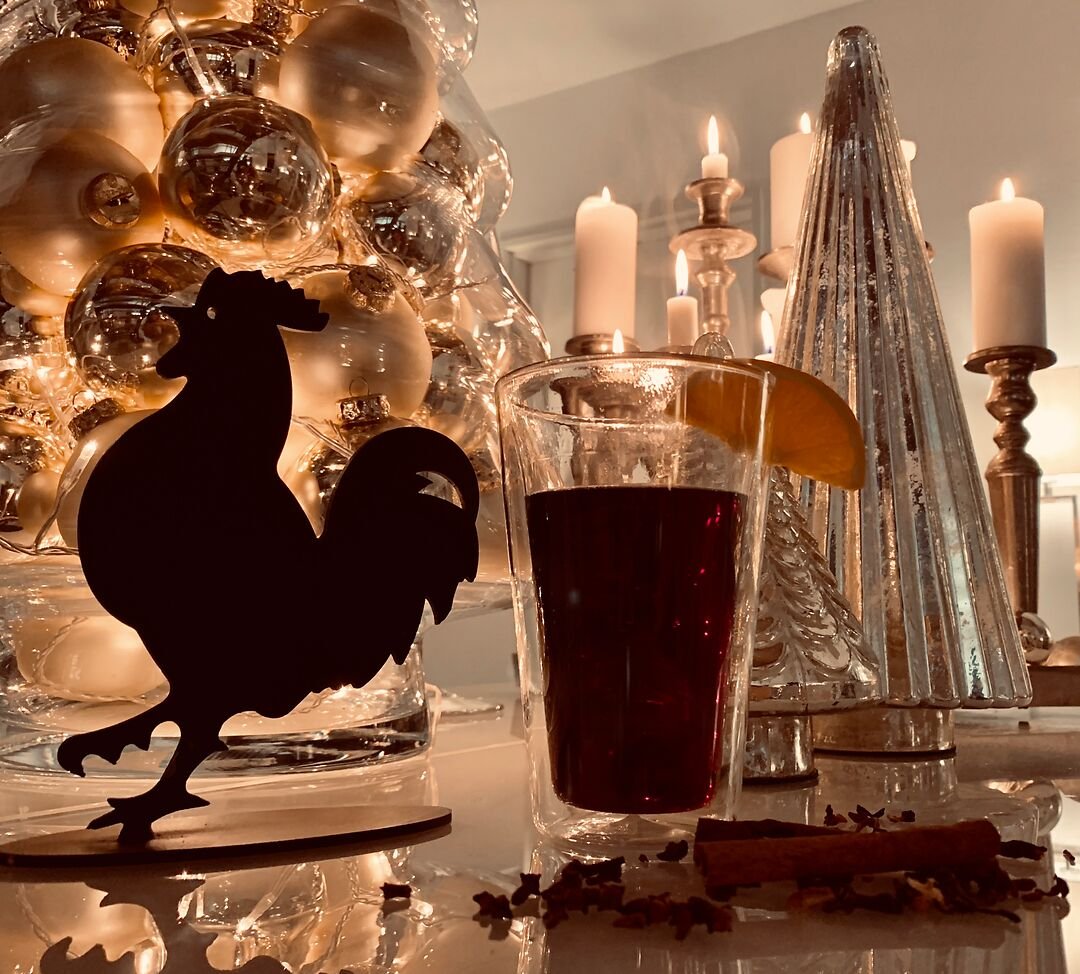
Today we're diving into one of my favorite topics: Wine, of course – but this time, the warm kind – mulled wine!!! When the days get shorter, the nights turn super cold, and Advent is in the air, that's when it's definitely mulled wine time.
Mulled Wine Time
Whenever I smell mulled wine, or even just think of it, I'm instantly taken back to winter at my grandparents' house. Nowadays, when I make mulled wine, I love using red wines from Chianti. After all, the golden rule applies to mulled wine too: only a good base makes a good final product. And so you can all enjoy a perfect Gallo Nero mulled wine, I'm sharing my very own Nina-in-Chianti mulled wine recipe with you.
My grandparents lived in Weinviertel in northern Lower Austria. And in winter, they often had mulled wine with dinner. Since Weinviertel is a traditional white wine region, their mulled wine was, of course, made with white wine – usually Grüner Veltliner. Of course, as a child, I didn't drink mulled wine. But just the smell filling the kitchen always felt like a preview of Christmas to me, just a super cozy feeling. And even today, I totally melt whenever I find white mulled wine somewhere. The lovely, fresh acidity of white wine goes perfectly with cinnamon and cloves. Add a little sweetness and maybe some lemon or orange peels – and voilà! If you're skeptical, you should definitely just try white mulled wine once...
Red, red wine for mulled wine!
Traditionally, mulled wine is made from red wine. So, it's obvious that I also use Chianti Classico wines for it. And why? Simply because a good wine is the perfect base for good mulled wine! Who wants bad mulled wine, right? Sangiovese, with its acidity and cherry fruit notes, is especially ideal for the mulled version. My recommendation: Pick a Sangiovese wine on ninainchianti.com, order it, and you're good to go!
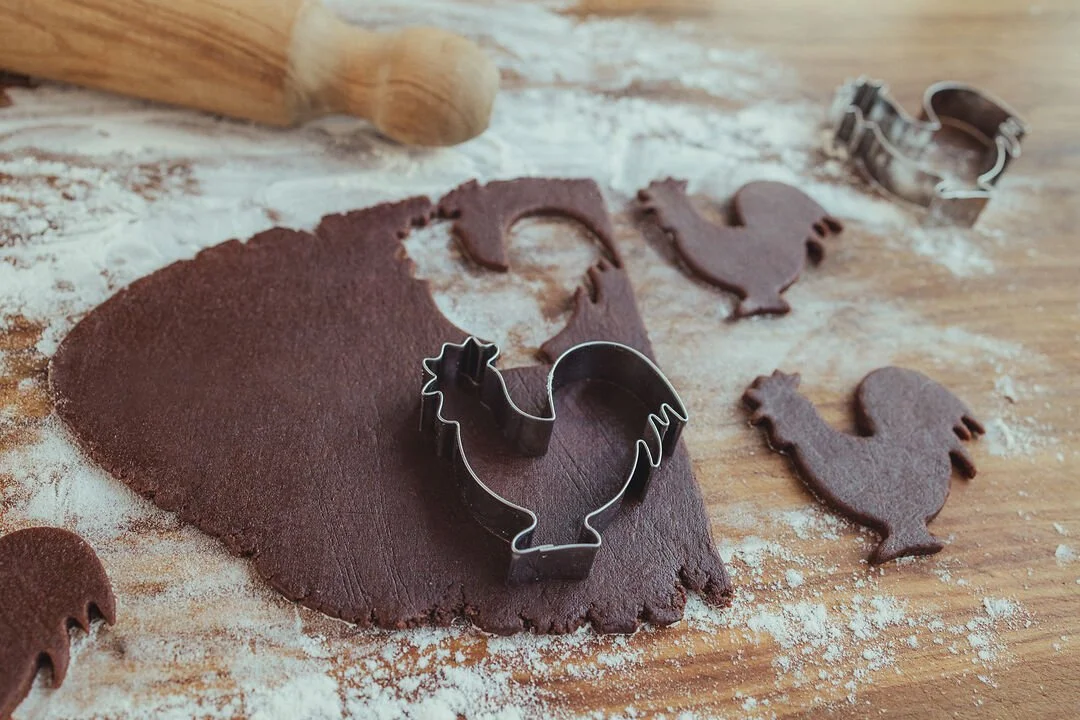
Christmas time is also cookie-baking time!
Also great for mulled wine is the La Lepre from Le Fonti, which gives mulled wine a unique touch with its blend of Sangiovese, Cabernet Sauvignon, and Merlot. If you prefer something a bit more international, I recommend the Cinciorosso from Le Cinciole, which is made from 70 percent Sangiovese, 15 percent Cabernet Sauvignon, 10 percent Syrah, and 5 percent Merlot.
My Nina in Chianti Mulled Wine Recipe
I personally always start my mulled wine with caramel. That might sound complicated to some, but it's really not.

Another serving suggestion
Double-walled glasses - your mulled wine stays warm and your fingers don't get hot.
Here's another serving suggestion from me: In double-walled glasses, often used for hot drinks like coffee or tea, your Chianti Classico mulled wine looks its best and stays warm longer too.
Goes well with: Bacon-wrapped prunes
By the way, bacon-wrapped prunes are a perfect match for mulled wine. It's super quick and easy: You can soak the prunes in Chianti Classico for an hour or two – but you don't have to – then drain them well, wrap them with a slice of pancetta (that's bacon!), and bake them in the oven at 160 degrees for about ten minutes. Serve them warm. They taste incredibly good as a 'counterbalance' to the slightly sweeter mulled wine.
So, bring on Advent! And in the meantime, all that's left for me to say is: Cheers to the Gallo Nero!